A Record-Breaking Debut: Brown for Science Diplomacy
The University’s first graduate student organization devoted to science policy gains national honors for transforming local engagement and mutual aid.
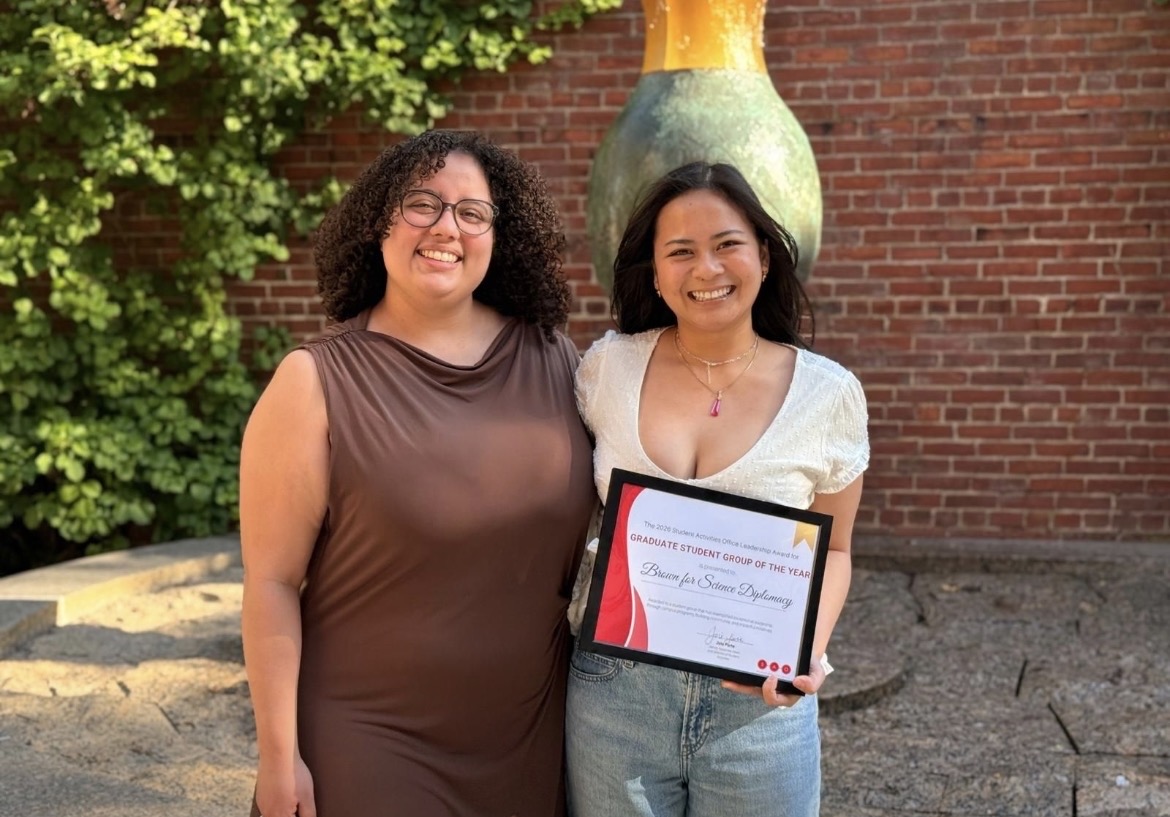
PROVIDENCE, R.I. [Brown University] —Two newly minted Ph.D.s are bridging the critical gap between the lab and the community, turning scientific exploration into social impact through a student organization that garnered both University and national acclaim in its inaugural year.
Brown for Science Diplomacy (BSD), founded in April of 2025 by pathobiology doctoral researchers Melanie Ortiz Alvarez de la Campa and Mai Huynh, provides a framework for interdisciplinary conversations around science policy and communication. Students and faculty across fields resonated instantly with the organization's mission to turn education into action. Through diverse programming—from community garden cleanups to career panels—Brown for Science Diplomacy empowers researchers to use science as a tool for social advocacy.
This year, Brown for Science Diplomacy made history as the first Brown student group to receive microgrant funding from Research!America, and was further recognized by the Brown Student Activities Office as the 2025-2026 Graduate Student Group of the Year.
Now, as they prepare to take their next steps, Brown's Ortiz Alvarez and Huynh provide insight into the rapid ascent and bright future of Brown for Science Diplomacy.
LK: What inspired the two of you to found Brown for Science Diplomacy?
MOA:
Brown for Science Diplomacy started as an idea when we were visiting the annual American Association for the Advancement of Science conference last year, and we realized that we were both interested in science communication and science policy—but there weren’t any targeted resources for us as graduate students here at Brown which handled those topics.
We reached out to the Brown community through the Graduate School Bulletin Board and found that there were 70 plus fellow students, faculty, and postdoctoral researchers who wanted to share their research with the public and had no idea where to start. So we petitioned the Graduate School to start an organization, which turned into BSD. Now, we have events that foster communication between scientists and the community in different ways and show people how this can turn into a career or just a passion project and mutual aid.
MH:
There is also a growing global interest in science policy because of the changes to funding sources in the United States. Federal agencies like the National Institute for Health and National Science Foundation provide funding for almost all of the labs in the United States, and they’ve scaled back support in recent years. This has particularly affected research on infectious diseases and vaccines, as well as programs focused on supporting diversity. It was tragic to see so many brilliant scientists lose funding, which motivated us to start an organization highlighting these issues.
Brown for Science Diplomacy: Bridging the Lab and the Community
LK: Why is science communication important?
MOA:
Science communication is vital because the true value of research lies in its power to tangibly improve lives. We often do research behind the scenes, or shared only among peers, and the general public doesn't get to interact with the result until it's in its final stages. There is so much more room for people to not only learn about what we do, but also have input and inform the way that we think about the world and approach these scientific studies in the first place.
MH:
Additionally, so few people actually know how funding works for scientists. We want to make people aware that scientists are not scary people who work in labs, but instead humans working on projects that can directly improve people’s everyday lives. And I think that message really resonates.
LK: What do you do in your meetings?
MOA:
We talk about different types of topics that are relevant to students and the science communication topics they care about. In November, we hosted an exchange about how to talk to family members about your science and how to reach people across political divides or different points of view. We discussed how to remain factual, but also how to engage people and meet them where they are. We try to foster an engagement of being able to express our concerns and learn from each other.
LK: What are your main focuses?
MH:
Science policy covers three major aspects. The first is policy and our interaction with legislation itself. The second is science communication: how scientists can better communicate to a wider audience. The third prong of our work is community and mutual aid. Even if it may not seem like it, things such as food availability, community gardens, and public access to resources that we require as individuals to maintain our health are part of science policy.
LK: You recently received a microgrant from Research America for $1,900. How did that come to be?
MH:
We were very fortunately given a microgrant from Research!America, a nonprofit organization that funds research projects across America, which has recently developed an arm of their work focused on bridging science and policy. Because BSD is the first science policy organization on campus, they felt that our organization was doing really important work.
LK: What do you use the funding for?
MH:
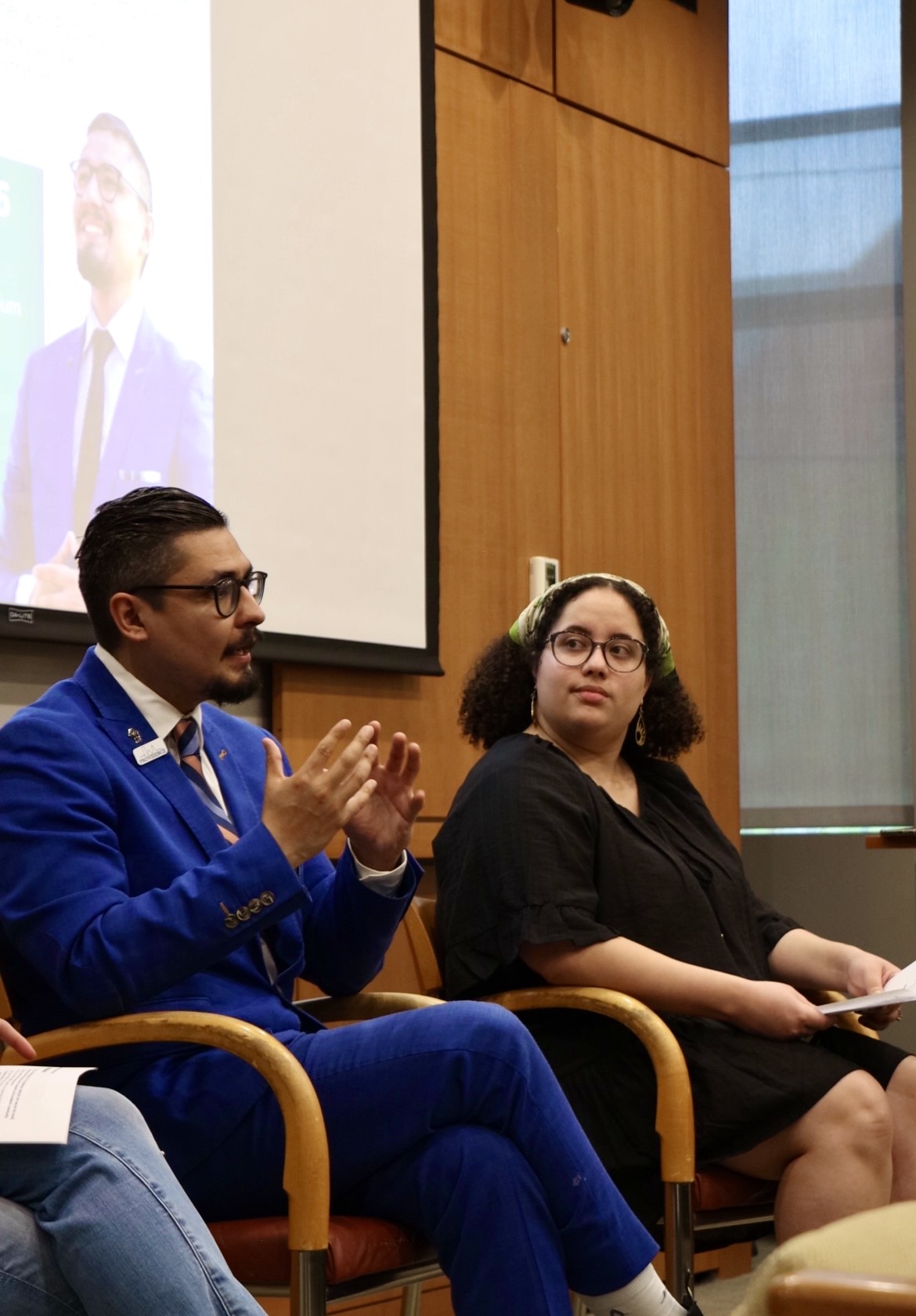
We have used the support from Research!America to fund events like co-hosting Providence mayoral candidate David Morales with the Latinx Graduate Collective for an open dialogue on safeguarding science, education, and health. Morales earned his Masters in Public Affairs at Brown in 2019, the youngest to graduate the program. It was wonderful to have him back to speak to dozens of faculty and students.
For Earth Day, we hosted a “Birds of the Archives” event at the John Hay Library. Outreach through Facebook and the Brown University Library Newsletter drew local birders, especially older members of the community outside of Brown. We explored the library’s archives and heard from Nicole Moody, an ornithology graduate student, who spoke about the importance of federal funding for their research. I could tell everyone was genuinely engaged in discussions of how scientific research can support their passions, even if they themselves aren’t scientists.
None of these projects would have been possible without the microgrant from Research!America. Notably, we are the first organization they have funded at Brown, so we feel very thankful.
LK: You both defended your Ph.D.s and are leaving Brown soon. What are your hopes for Brown for Science Diplomacy as you transition out of leadership?
MH:
My dream for BSD is to expand as an organization and involve more people in diverse capacities. A lot of our projects, especially anything that might relate to legislation or community engagement, requires a lot of hands. This year, we were really doing this all by ourselves.
MOA:
BSD has turned into a much bigger project than we ever envisioned it would. I would like to see it continue to grow—even through disciplines outside of STEM—and try to pull together resources and ideas like art or writing projects, and incorporate them into the way we communicate science. Creative outlets are more and more how people prefer to engage with learning, so the more we can take advantage of that and all the rich resources on campus and continue to grow the initiative and reach the broader Providence public, I think that would make this organization truly continue to shine.
LK: Why should Brown students join Brown for Science Diplomacy?
MOA:
Students should join BSD because we're the first interdisciplinary space at Brown where you can conduct science policy, and what better way than to start locally. Additionally, mutual aid and science policy go hand in hand, and if we want to reach our audiences, we also have to make sure that they have everything necessary to learn and engage in science.
MH:
You should join Brown for Science Diplomacy because federal support for science helps everyone.
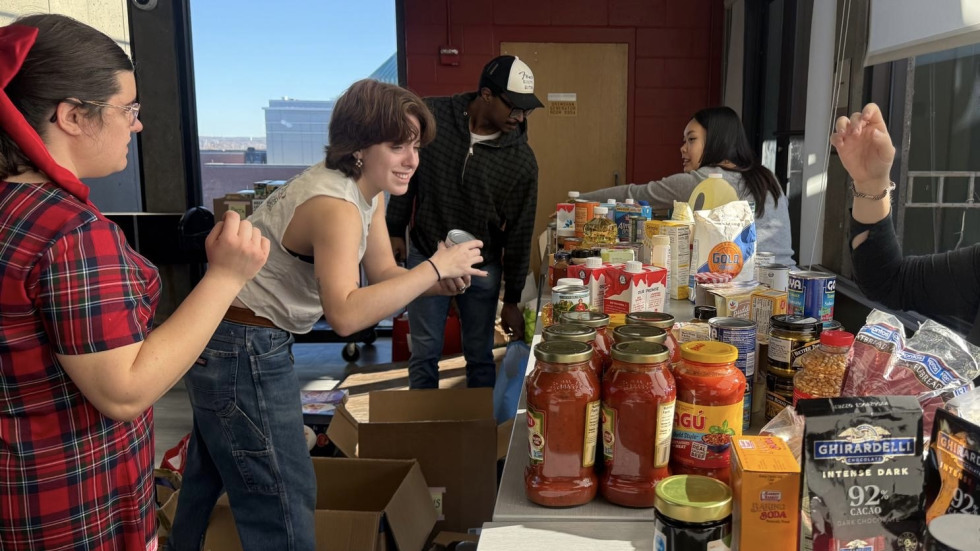
Brown for Science Diplomacy sorts donations during a Thanksgiving food drive for Progreso Latino.
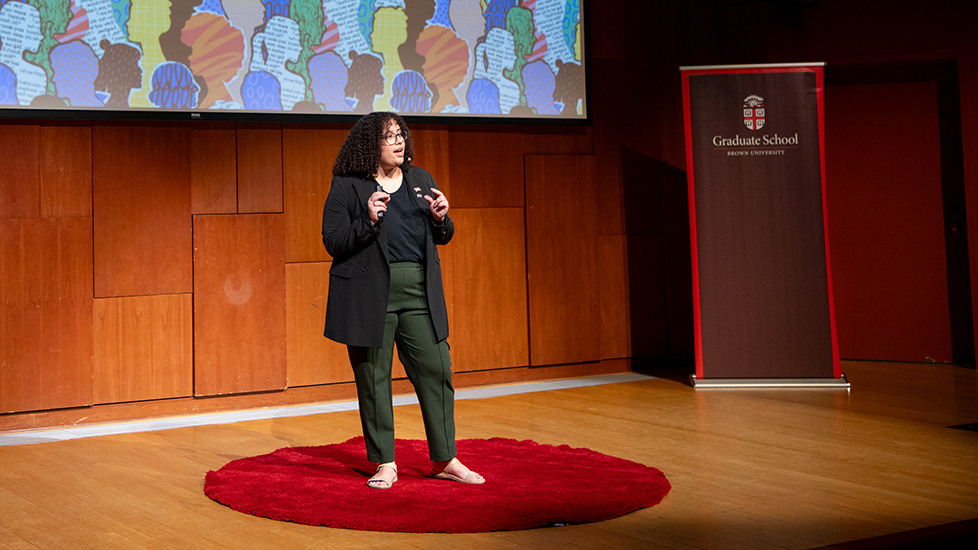
Ortiz Alvarez presents her microbiome research at the 2026 Research Matters panel. Credit: Peter Goldberg
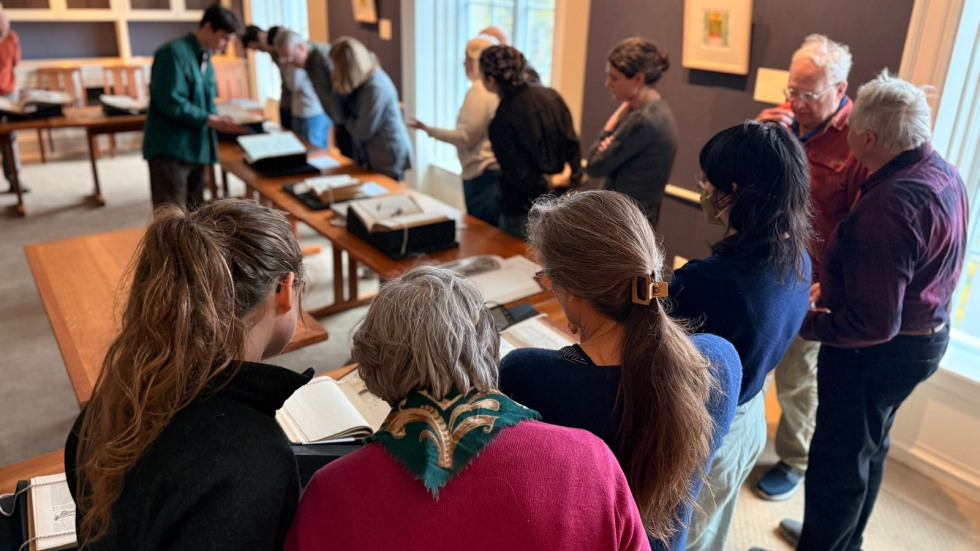
Local Providence birders examine the John Hay Library’s ornithological archives in celebration of Earth Day and spring migration.
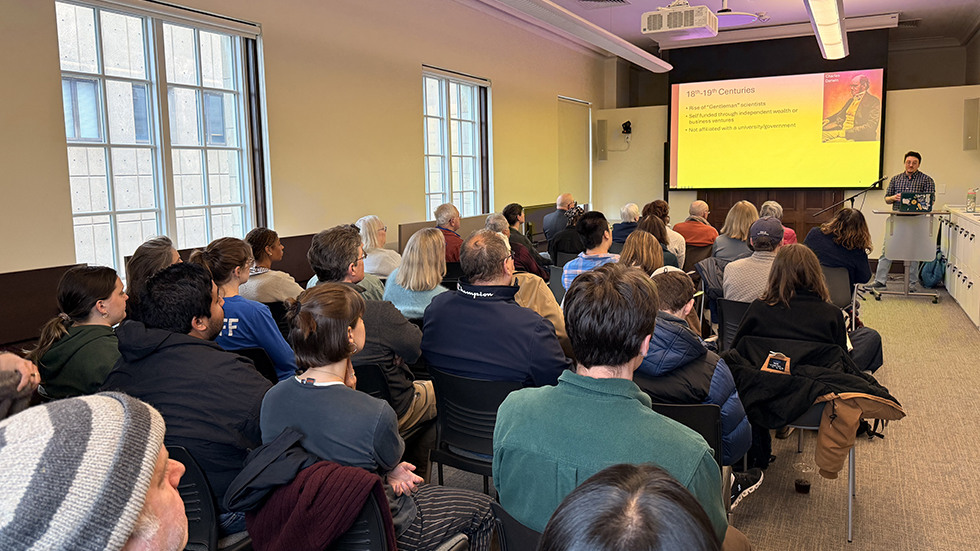
Attendees at Brown for Science Diplomacy’s “Birds of the Archives” explore the history of ornithology and the field’s evolving future.